Business waste and rubbish services for Colliers Wood shops
Posted on 25/08/2026
Running a shop in Colliers Wood means keeping the floor clear, the stock room usable, and the frontage looking inviting. That sounds straightforward until the rubbish starts piling up: delivery packaging, damaged stock, old displays, out-of-date promotional materials, cardboard, plastics, and the occasional awkward item that never seems to fit anywhere. Business waste and rubbish services for Colliers Wood shops are there to stop that clutter from quietly taking over your day.
Whether you manage a small independent retailer, a cafe with a compact back area, or a busy high-street unit with frequent deliveries, the right waste service can save time, reduce stress, and help you stay on the right side of good practice. In this guide, we'll break down how commercial waste collection works, what to look for, what to avoid, and how to make a smarter choice for your shop. A few small improvements here can make a surprising difference, honestly.
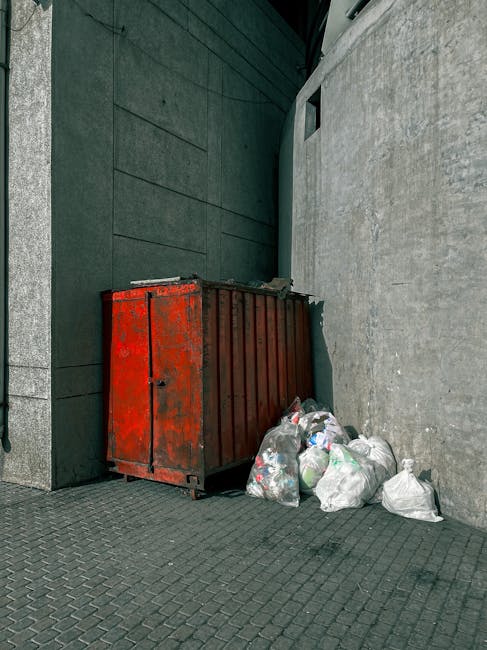
Why Business waste and rubbish services for Colliers Wood shops Matters
Waste management may not be the glamorous part of shopkeeping, but it has a direct impact on how your business runs. In a busy area like Colliers Wood, where footfall, deliveries, and storage space all matter, even a few overflowing bags can make a shop feel less organised and less welcoming. Let's face it: customers notice more than we think. They notice the crates by the till, the bin bags near the door, the cardboard leaning against the wall, and the smell if food waste has been left too long.
Good rubbish handling also helps with efficiency. Staff spend less time doing improvised clean-ups, and more time serving customers or restocking properly. That matters for small retailers especially, where everyone tends to wear multiple hats. One person might be on the till at 10am, unpacking stock at noon, and chasing a collection slot by 4pm. A reliable business waste plan takes some of that pressure off.
There's also a reputation angle. Shops in Colliers Wood compete not just on price or product, but on presentation. Clean pavements, tidy rear access, and well-managed waste all contribute to a more professional look. If you want a broader feel for the local area and how businesses sit within it, the posts on living in Colliers Wood and the neighbourhood itself offer a useful bit of local context.
Expert summary: For shops, the best waste service is not simply the cheapest. It is the one that matches your volume, your operating hours, your storage space, and your need for predictable, compliant collection. That combination is what keeps the day calm.
How Business waste and rubbish services for Colliers Wood shops Works
Most shop waste services follow a simple rhythm: you sort waste into the right stream, place it where collections can access it safely, and arrange pickup at a frequency that fits your trade. The actual setup varies depending on what you sell and how much waste you produce.
For a small boutique, waste might mostly be cardboard, plastic wrap, paper, and the occasional broken hanger or damaged shelf unit. A convenience shop may generate more mixed packaging, expired stock, and food-related waste if there's a fridge or hot counter. A beauty salon or barbershop may have packaging, consumables, and some furniture or equipment to remove when refitting. A cafe or takeaway will usually need a more frequent and more carefully managed routine, especially for food waste and hygiene-sensitive items.
In practice, the process tends to look like this:
- Assess the waste type and volume. Cardboard, mixed rubbish, food waste, and bulky items all behave differently and often need different handling.
- Choose a collection pattern. This might be ad hoc, weekly, or tied to delivery days and closing times.
- Set storage and presentation points. Rubbish should be kept somewhere practical, secure, and easy to collect.
- Book the right collection method. Some shops need regular commercial waste removal, while others benefit more from one-off rubbish collection after a refit or stock purge. See commercial waste removal in Colliers Wood for the core service approach.
- Check disposal and recycling handling. Good providers separate recyclable streams where possible and manage non-recyclable waste responsibly. More on that in recycling and sustainability.
Some shop owners prefer a regular scheduled pickup because it feels predictable. Others go for one-off clearances after a seasonal reset, shop fit-out, or stockroom tidy-up. Truth be told, both can work well if they're matched to the real pattern of waste, not the hoped-for pattern. There's a difference.
Key Benefits and Practical Advantages
The most obvious benefit is a tidier shop, but the real value goes further than that. A well-run waste service supports operations in ways that are easy to overlook until they go wrong.
- Cleaner customer areas: Fewer bags, boxes, and loose items near entrances or display zones.
- Better use of storage space: Back rooms stop becoming a temporary dumping ground.
- Lower staff friction: People know where waste goes and who handles it.
- Less disruption during trading hours: Collections can be planned for quieter periods.
- Better recycling separation: Cardboard, plastics, and other recyclable materials can be handled more sensibly.
- Safer working conditions: Fewer trip hazards, sharp edges, and overloaded storage corners.
- Stronger professionalism: A tidy shop tends to feel more credible to customers and suppliers alike.
There's a commercial advantage too. Waste that sits around too long often turns into a management issue, not a bin issue. Staff have to move things twice. Customers lose patience. Deliveries get awkward. Then somebody says, "We'll sort it later," and, well, later rarely arrives in a neat little package.
If you are comparing how collections are priced or structured, the guide on Colliers Wood rubbish collection rates is useful background, especially if you want to understand what affects the cost of regular pickup versus one-off clearance. You may also find how to avoid hidden rubbish disposal charges in SW19 helpful when reviewing quotes.
Who This Is For and When It Makes Sense
Business waste and rubbish services are not just for large stores with back-of-house teams. In Colliers Wood, they make sense for a wide range of shop types, especially where space is tight and turnover is steady.
Shops that usually benefit most
- Independent retail shops with frequent cardboard and packaging waste
- Food retailers managing stock rotation, chilled items, and hygiene-sensitive waste
- Cafes and takeaway counters where waste builds up quickly during busy periods
- Beauty and personal care businesses with product packaging, consumables, and occasional bulky removals
- Seasonal pop-ups that need short-term clearance support
- Shops undergoing refits with old shelving, display units, or fit-out debris
It also makes sense when your waste starts affecting the customer experience. If cardboard is spilling into view, or if your team is spending fifteen minutes every day moving the same sacks around, the system has already become too informal. That is usually the moment to put something more structured in place.
One shop owner might only need occasional support after a product launch. Another may need twice-weekly collections because the bins fill by Thursday afternoon. Both are normal. The right answer depends on how your business actually trades, not on what sounds efficient in theory.
Step-by-Step Guidance
If you are setting up a waste routine for a shop in Colliers Wood, a simple step-by-step plan will usually get you further than trying to solve everything at once.
- Audit what you throw away. Spend a week noting the main waste streams: cardboard, soft plastics, mixed rubbish, food waste, old fixtures, or damaged stock.
- Measure the pressure points. When does waste build up fastest? After deliveries? End of day? End of week? This helps decide collection timing.
- Separate recyclable material early. Cardboard and clean packaging are much easier to manage when they are not mixed with general waste.
- Identify bulky or awkward items. Old shelving, broken furniture, appliances, or display units often need a separate disposal plan.
- Check access. Can a collection team reach the waste safely without blocking customers, deliveries, or neighbouring units?
- Match service type to need. Regular commercial collection works for ongoing waste; one-off rubbish collection is better for clearance jobs and seasonal resets. See rubbish collection in Colliers Wood and waste disposal in Colliers Wood for the broader service picture.
- Set a staff routine. Decide who breaks down boxes, who separates streams, and where waste is placed.
- Review monthly. Waste patterns change. A busy season, a sale, or a refit can quickly alter what you need.
If you are dealing with a post-renovation mess, a dedicated clearance approach may suit you better than standard bin collection. That is where services like waste clearance in Colliers Wood or even builders waste disposal in Colliers Wood can be the cleaner fit.
A small practical tip: keep a simple "what goes where" note in the stockroom. It doesn't need to be fancy. Half a page, laminated, stuck where staff can actually see it. Saves confusion later.
Expert Tips for Better Results
Once the basics are in place, small adjustments can make the whole system work better. These are the things that often separate a tolerable setup from a genuinely smooth one.
- Break down packaging immediately. Flat cardboard takes far less space than half-collapsed boxes stacked at random.
- Keep dry recyclables dry. Wet cardboard becomes awkward fast and can reduce recycling quality.
- Use collection timing strategically. Try to avoid pickup times that clash with customer peaks or delivery vans.
- Store bulky items by category. Group old furniture, fixtures, and appliance waste separately so they can be lifted faster.
- Build in a buffer. If you usually fill waste storage by Friday, don't wait until Friday evening to book a collection. That is asking for trouble, to be fair.
- Check staff habits. One person ignoring the sorting routine can undo a lot of good work.
- Plan for seasonal surges. Christmas stock, sale periods, and refurbishment windows usually create more rubbish than usual.
For a broader look at how the business operates and the way services are presented, the services overview and about us pages give helpful context on the service standards you should expect. If you are the person actually signing off the costs, it is also worth checking pricing and quotes so you know what information a provider is likely to need.
And here's a human truth from the shop floor: if the waste system is too complicated, people will quietly stop following it. Not because they are difficult, just because they are busy. Simplicity tends to win.

Common Mistakes to Avoid
Most waste problems in small shops come from a handful of predictable mistakes. Good news: they're fixable.
- Mixing everything together. Cardboard, food waste, packaging, and bulky items all become harder to handle once they are mixed.
- Leaving waste at the wrong access point. Collections can be delayed or missed if bags are placed where they block circulation or are unsafe to move.
- Ignoring seasonal changes. A steady week in February is not the same as a launch week in November.
- Assuming all rubbish is "just rubbish." Some items need special handling or separate disposal routes.
- Choosing a service without checking reliability. The cheapest option can become expensive if missed collections create disruption.
- Forgetting about bulky stockroom items. Old chairs, broken shelves, and appliances have a habit of hanging around for months.
- Not reviewing storage space. If the waste area is too small, the problem is partly design, not just volume.
One thing many shop owners underestimate is how quickly cardboard multiplies. A few deliveries and suddenly there's a tower of flattened boxes leaning like a badly balanced deck of cards. It only takes one gust of wind or one rushed staff member for that to become a nuisance.
Tools, Resources and Recommendations
You do not need a complex system to manage shop waste well, but a few basic tools help enormously. The best setups are usually boring in the best possible way.
- Clearly labelled bins or sacks for different waste types
- A simple collection calendar showing pickup days and busy trading periods
- A stockroom note board for staff instructions and one-off disposal jobs
- Basic weighing or volume checks to help you understand how much waste you produce
- Safe storage space that keeps waste away from customers and trip hazards
- A contact record for service requests, recurring issues, and timing notes
If your shop occasionally needs help with items beyond daily waste, it can make sense to use related services as required. Furniture that has reached the end of its life may call for furniture removal or furniture disposal. If you are clearing out back-of-house storage, that may sit better under office clearance in Colliers Wood if the space functions like an office or admin area, or house clearance if the property has a mixed-use layout and the clearance is broader.
And if the job is more about a one-time clear-out than ongoing collection, one practical option is to compare it with the kind of rapid support discussed in same-day rubbish removal near Colliers Wood Station. Different jobs, different pace. Simple as that.
Law, Compliance, Standards, or Best Practice
For shops in the UK, waste handling is not just about convenience. There are legal and practical expectations around how commercial waste is stored, transferred, and collected. The safest approach is to treat waste as a managed business process rather than an afterthought.
A few principles matter most:
- Use a legitimate waste carrier. The business collecting your rubbish should be properly authorised and able to demonstrate compliance.
- Keep records where appropriate. Businesses often need to know who removed the waste and when.
- Separate waste sensibly. Mixed waste is harder to recycle and can increase risk.
- Store waste safely. Avoid blocked exits, unstable piles, sharp edges, and anything that could attract pests.
- Be careful with hazardous or specialist materials. Some items need separate treatment and should not be treated like normal shop rubbish.
It is also sensible to check basic provider safeguards: insurance, safety procedures, and clarity around payment terms. Those aren't glamorous details, but they matter. You can review related information on waste carrier licence and compliance, insurance and safety, and payment and security. If you want to understand how customer data and site interaction are handled, the site also provides a privacy policy and cookie policy.
Best practice is not about being perfect. It is about being organised enough that waste never becomes a compliance headache. That is the goal. Quiet, steady, no drama.
Options, Methods, or Comparison Table
Different businesses need different approaches. Here is a simple comparison that helps shop owners choose the right method without overcomplicating things.
| Method | Best for | Strengths | Limitations |
|---|---|---|---|
| Regular commercial collection | Shops with steady weekly waste | Predictable, tidy, easy to schedule | May be less flexible for sudden clear-outs |
| One-off rubbish collection | Seasonal resets, stock changes, small clearances | Fast, simple, useful for occasional jobs | Not ideal for constant waste production |
| Full waste clearance | Refits, stockroom clean-downs, back areas needing a reset | Cleans up more in one visit | Less suited to routine day-to-day waste |
| Specialist item disposal | Furniture, appliances, bulky stockroom items | Handles awkward items properly | Usually needs a separate arrangement |
For some shops, the smartest approach is a mix. For example, regular waste collection for day-to-day packaging, plus occasional clearance support for fit-outs or furniture changes. That combination is often more efficient than trying to force every job into one system.
If your shop is also close to local event traffic or seasonal activity, the need can spike. In those cases, articles like rubbish clearance for Wandle Park events may be useful for understanding how local pressure changes collection needs, even if your own job is strictly retail-focused.
Case Study or Real-World Example
Imagine a small independent shop in Colliers Wood selling homeware and gifts. Most weeks, the waste is manageable: packaging from deliveries, some damaged items, a few carrier bags, and cardboard from stock. Then the owner decides to refresh the display before a weekend promotion. Old shelving comes out. Two display units are replaced. There are bags of broken packing material, plus a pile of items that no longer fit the new layout.
If that shop relied only on the regular bin routine, the back room would probably stay cluttered for days. Staff would keep moving things from one corner to another, and the mess would drift into trading space. Not ideal when customers are trying to browse candles and kitchen bits while stepping around cardboard.
What works better is a mixed approach: keep the normal waste routine for everyday rubbish, then book a one-off clearance for the bulky items. The shop gets back to normal quickly, the display launch feels polished, and staff are not left improvising with too many bin bags and not enough space. Nothing fancy. Just practical.
This is also where local knowledge matters. Shops near busier stretches or narrow access points need collections planned with care, especially if deliveries, customer footfall, and waste removal all happen in the same window. A collection that looks fine on paper can be a nuisance in real life if it blocks a doorway at the wrong moment.
Practical Checklist
Use this simple checklist to tighten up your shop waste routine. It is not exhaustive, but it covers the essentials.
- Identify your main waste streams
- Separate cardboard, general rubbish, and any specialist waste
- Check where waste is stored and whether access is safe
- Decide if you need regular collection or one-off support
- Review how often waste fills up during your busiest periods
- Confirm staff know the sorting routine
- Keep bulky items aside for separate disposal
- Make sure waste is not blocking exits, corridors, or customer areas
- Review provider terms, timing, and pricing clarity
- Reassess after seasonal peaks, sales, or refits
If you tick most of those boxes already, you are in good shape. If not, start with the first three. That's usually where the biggest gains appear.
Conclusion
Business waste and rubbish services for Colliers Wood shops are really about control: control over space, time, presentation, and compliance. When waste is handled well, a shop feels calmer and more professional. Staff move more easily. Customers have a better experience. Small problems stay small.
There is no single perfect setup, and that is fine. Some shops need routine commercial collection. Others only need the occasional clearance after a refresh or stock change. What matters is choosing a system that fits your actual trading pattern, not an idealised one. Keep it simple, keep it safe, and keep it consistent.
Get a free quote today and see how much you can save.
And if you are still weighing up options, take your time. A tidy back room and a reliable collection plan can make the whole week feel lighter. Small thing, maybe. But it helps more than people expect.


 Tipper Van - Rubbish Removal and Basement Clearance Prices in Colliers Wood, SW19
 Luton Van - Rubbish Removal and Basement Clearance Prices in Colliers Wood, SW19