Rubbish clearance for Wandle Park events
Posted on 08/08/2026
Rubbish clearance for Wandle Park events: a practical guide to smooth, clean event operations
If you are planning rubbish clearance for Wandle Park events, you are probably juggling a lot already: visitors, timings, access, weather, volunteer schedules, and the slightly unglamorous business of what happens after the last bin bag is tied. That final part matters more than people think. A park event can look brilliant in the moment and still create headaches if waste is left behind, collected too late, or sorted badly.
This guide breaks down how event waste clearance should work in practice, who needs it, where the risks usually appear, and how to keep the site tidy without overcomplicating things. Whether you are organising a community fair, a sports day, a food stall line-up, or a private celebration near Wandle Park, the basics are the same: plan the waste flow early, keep it moving, and leave the park in better shape than you found it. Simple enough on paper. In real life, not always.
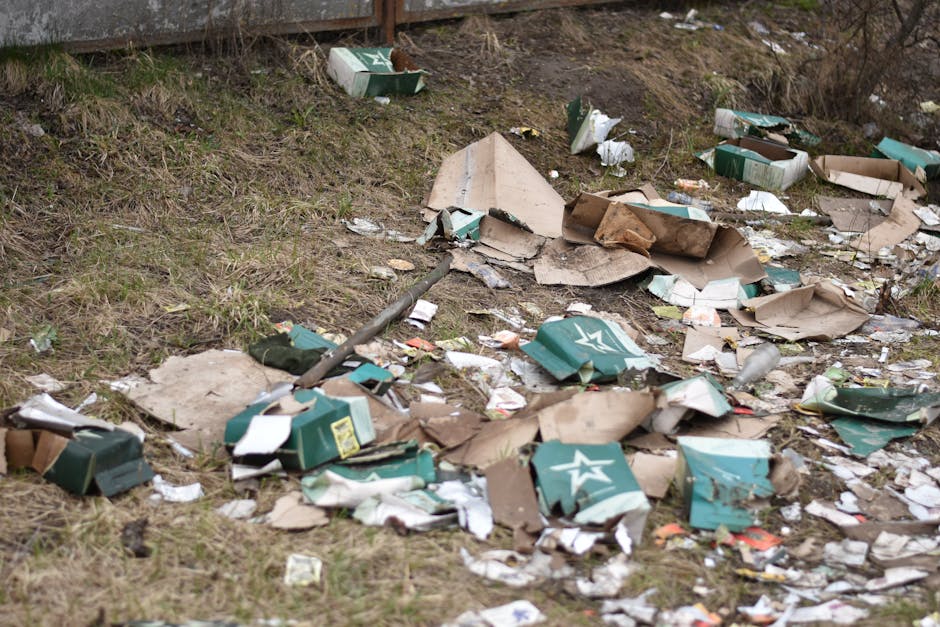
Why rubbish clearance for Wandle Park events matters
Outdoor events generate a very mixed kind of waste. You get the obvious stuff like food containers, cups, napkins, and packaging, but also cable ties, display materials, broken disposable items, wet cardboard, floral waste, and sometimes larger pieces like folding tables, signage, or damaged stock. If the event is busy, waste builds fast. A couple of missed collection points can become a visible mess surprisingly quickly.
At Wandle Park, the setting raises the stakes a little. Parks are shared spaces. People come for the event, but they also come for the open air, the paths, the trees, the feeling of the place. If waste spills into walkways or lingers after pack-down, it affects everyone: organisers, visitors, local users, and the reputation of the event itself. To be fair, most complaints about events are not about the event. They are about the cleanup.
There is also a practical reason. A good clearance plan reduces trip hazards, helps staff work faster, and limits the chance that rubbish gets blown around if the weather turns. Anyone who has watched loose paper chase across a wet field in a bit of wind will know exactly what I mean. Not ideal.
For organisers working in and around Colliers Wood, the cleaner your process, the easier it is to keep the event professional. If you are also comparing broader service options, pages like the service overview and recycling and sustainability can help you understand how a waste partner might structure collection and sorting.
How rubbish clearance for Wandle Park events works
Good event clearance is not just a truck turning up at the end. It is a small system that starts before the event opens. The better the planning, the less chaos you have later.
1. Waste is planned before the first guest arrives
You begin by estimating what kind of waste the event will produce. A food-heavy event needs more general waste and recyclables. A craft fair may create more packaging and cardboard. A family day may produce lots of drink containers, wipes, and food scraps. If there are stalls, each stall should know what to separate and where to place it.
2. Collection points are placed where people actually use them
Bin placement matters more than many people expect. If bins are too far away, waste ends up on benches, grass, or tables. If they are too hidden, people simply ignore them. The best setup usually mirrors visitor flow: entrances, food areas, queue points, seating zones, and any exit route where people naturally dump things on the way out.
3. Mid-event monitoring stops overflow
For anything larger than a small gathering, someone should check bins during the event. That could be an internal steward or a clearance team. Overflow is what creates the ugly bit: loose waste, smells, food contamination, and extra work later. A quick emptying round often saves a lot of time at the end.
4. Pack-down separates reusable items from true waste
Once the event closes, the cleanup changes gear. Reusable barriers, signage, decorations, crates, and catering equipment should be pulled aside first. Then waste is sorted into manageable groups: general rubbish, recyclable material, garden or green waste if relevant, and bulky items. This is where clear labelling and good staff communication pay off.
5. Final clearance removes what the bins cannot handle
Some events leave behind more than bin bags. Think broken furniture, wet cardboard stacks, spill cleanup materials, staging offcuts, or leftover stock. That is where a more complete rubbish collection or waste clearance service becomes useful. In some cases, event teams also need a quick turnaround after the event, especially if the park has another booking or public access resumes early the next morning.
If your event is tied to a business, market stall, or branded activation, a commercial approach often fits better than a one-off domestic-style pickup. You can see how a broader business-focused service is framed on the page for commercial waste removal in Colliers Wood. For one-off bulky items, options such as waste clearance or rubbish collection may be more relevant.
Key benefits and practical advantages
When waste is handled properly, the gains are not just cosmetic. You feel them throughout the event.
- Cleaner visitor experience: People stay longer when the site feels organised and pleasant.
- Lower safety risk: Fewer loose items mean fewer trips, slips, and accidental spills.
- Faster pack-down: Teams work better when waste is already separated and labelled.
- Better recycling outcomes: Sorting at source usually produces less contamination.
- Less stress at closing time: The end of an event is always busy. A tidy clearance plan removes some pressure.
- Improved reputation: Visitors and venue partners notice the difference. They really do.
There is also a less obvious benefit: fewer surprises on the day. When the waste process is organised, you are less likely to discover that bin bags are piled in the wrong place, or that someone has left bulky items in a corner because "someone else will deal with it." That phrase, by the way, is the enemy of efficient cleanup.
For organisers comparing options or budgeting for a one-off event, it can help to understand how pricing is usually explained. The article on Colliers Wood rubbish collection rates is useful for making sense of what influences cost, while avoiding hidden rubbish disposal charges in SW19 is a smart read if you want to keep the budget clean as well as the park.
Who this is for and when it makes sense
This kind of clearance planning is useful for more people than you might expect.
- Community event organisers planning fairs, local gatherings, charity days, or family activities
- Food and drink traders who need regular bag-out and end-of-day removal
- Schools, clubs, and groups running sports days or seasonal events near the park
- Private hosts arranging birthdays, anniversaries, or small outdoor celebrations
- Promoters and production teams handling temporary structures, branding, and event debris
- Facilities or operations teams tasked with resetting the space quickly afterwards
It makes sense whenever the event creates more waste than a standard household bin round can sensibly handle. It also makes sense if timing is tight. For example, if a Sunday event has to be cleared before Monday morning activity, you need a partner who can move efficiently and stick to the schedule. Same-day or next-day needs are common in event work, which is why some organisers look at services such as same-day rubbish removal near Colliers Wood Station when time is short.
And yes, sometimes the event itself is the easy part. The clear-up is the bit that decides whether the day ends with a smile or a headache.
Step-by-step guidance
If you want a straightforward way to manage event waste at Wandle Park, follow this sequence. It is simple, but it works.
- Estimate waste volume early. Look at attendance, number of stalls, food activity, drink service, and how much packaging will be used.
- Decide what can be recycled. Separate obvious recyclables from mixed general waste before the event starts.
- Map bin locations. Place bins where people naturally pause, not where it is convenient for the organiser only.
- Brief staff and stewards. Everyone should know where waste goes, what cannot be mixed, and who to call when a bin fills up.
- Set a mid-event check. Don't wait until overflow happens. A quick check every so often is better than a frantic final sweep.
- Arrange a clearance window. Plan exactly when waste will be collected and when bulky items will be removed.
- Do a final walk-through. Inspect entrances, seating areas, toilets if present, food zones, and any hidden corners where rubbish tends to gather.
- Record what worked. After the event, note where bins failed, what overflowed, and what would be easier next time. That small debrief pays off.
If you are dealing with furniture, display units, temporary fixtures, or leftover stock, the right specialist page can matter. For example, furniture removal is a better fit for bulky seating or event furniture, while furniture disposal is more relevant where items are no longer usable. For outdoor build elements or staging offcuts, builders waste disposal can be the nearest match.
Expert tips for better results
Here are the small details that usually make the biggest difference.
- Use clear signage. People are much more likely to sort waste correctly when the bins are labelled in plain English.
- Keep liners consistent. If each bin uses a different bag size, the collection process gets messy fast.
- Protect against weather. A bit of rain turns lightweight packaging into clingy nonsense. Covered bins help.
- Separate food waste early. Mixed food and packaging can create smell and contamination problems very quickly.
- Plan a buffer. Always allow a little extra collection capacity. Events have a habit of producing more waste than expected.
- Keep a small spill kit. Cloths, gloves, and a few basic cleaning materials save time when someone drops a drink or food tray.
A useful local habit is to treat waste like part of the event design, not the afterthought. If the layout looks good but people have nowhere sensible to dispose of rubbish, the event will still feel unfinished. A clean route in, a clean route out. That sounds obvious, but it is often where things go wrong.
Where sustainability matters, it also helps to choose services that are open about sorting and recovery. If you want a better sense of how waste is handled with environmental care, take a look at recycling and sustainability. It is a good reminder that event waste does not all belong in one sack and one hope for the best approach.
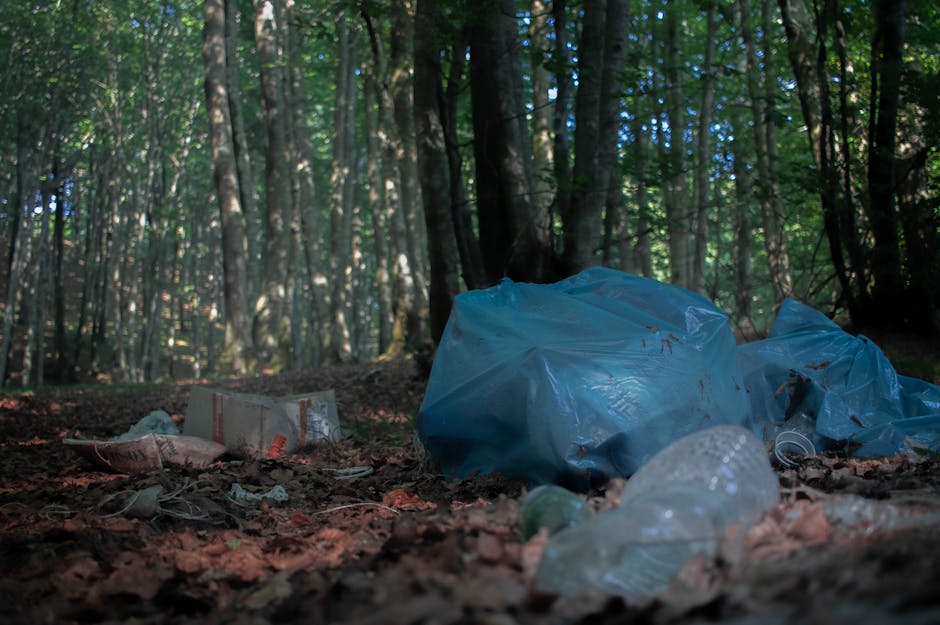
Common mistakes to avoid
Most event waste issues come from a few repeat mistakes. Nothing exotic. Just the sort of things that creep in when people are focused on everything else.
- Leaving the waste plan until the day before. By then, the layout is usually fixed and options are limited.
- Underestimating food waste. Food events generate more mixed waste than almost anyone expects.
- Using too few bins. A sparse setup leads to overflow and litter spread.
- Ignoring bulky items. One leftover table or crate can block a pack-down route and slow everything down.
- Mixing recyclables with general waste. Contamination can make recycling less effective, and sometimes pointless.
- Assuming someone else will clear the site. That assumption is how parks end up with abandoned bags and awkward phone calls later.
One small but common issue is the "final sweep that never quite happens." Everyone thinks someone has checked the far side of the lawn, and then the event ends. Ten minutes later there is still a stack of cups by a bench and a bin liner leaning on a hedge. That tiny miss can create the biggest annoyance.
Tools, resources and recommendations
You do not need fancy equipment to manage event waste well, but a few basics make the job much easier.
- Wheelie bins or sacks with clear labels for each waste stream
- Gloves and handling gear for staff doing manual collection
- Signage boards that tell visitors where to put rubbish
- Spare liners and tie wraps for quick replacements during the day
- Checklists for stewards and stallholders so everyone follows the same process
- A pre-booked collection slot so waste is removed promptly after the event
If your event includes garden-style setups, planting displays, or outdoor cuttings, then garden waste removal can sometimes be the closest practical match for green waste. For office-backed community events, exhibitions, or sponsor activations, office clearance may be useful where the event leaves behind desks, screens, or internal fit-out materials.
It is also worth understanding the provider side before you book. Pages such as about us, waste carrier licence and compliance, and insurance and safety help build trust because they show whether the operator takes compliance and safe handling seriously. That matters more than a lot of people realise.
Law, compliance, standards, and best practice
When events create waste, the organiser still has duties to manage it responsibly. I am keeping this plain-English on purpose: the key is to use a lawful, properly run waste service and avoid fly-tipping, illegal dumping, or careless storage that could create nuisance or risk.
In practice, that means checking that any waste contractor you use is legitimate, that waste is collected and transported correctly, and that materials are not left in a way that could cause problems for park users or the surrounding area. The exact obligations can vary depending on the event setup, permissions, and the type of waste involved, so it is wise to treat this as a planning issue rather than a last-minute cleanup task.
Best practice is usually quite straightforward:
- Use a recognised, traceable waste carrier.
- Keep waste separated where practical.
- Store waste securely before collection.
- Do not leave bags open or exposed for long periods.
- Keep a record of what was removed, especially for larger events.
- Make sure hazardous or unusual materials are identified before the event.
If you are ever unsure, ask the provider how they handle collection, sorting, and transfer. A good operator should be able to explain the process without sounding vague or evasive. That is usually a decent sign.
Options, methods, or comparison table
Different event setups need different approaches. A single cleanup method is rarely the best fit for every Wandle Park event. Here is a simple comparison to help you decide.
| Method | Best for | Strengths | Watch-outs |
|---|---|---|---|
| On-site bin management only | Very small gatherings | Simple, low setup, easy to supervise | Can fail quickly if visitor numbers rise |
| Mid-event collections plus final clearance | Most community and market-style events | Reduces overflow, keeps the site tidy, smoother pack-down | Needs planning and a reliable schedule |
| Full managed clearance service | Larger events, branded activations, bulky waste | Less stress for organisers, faster turnaround, better control | Requires clearer booking and budget planning |
If you are deciding between collection and full clearance, the question is usually not "Which is cheaper?" but "Which one reduces risk and admin for this event?" For a small gathering, basic collections may be enough. For anything with stalls, catering, build elements, or a tight opening window the next day, a more complete service is often worth it.
Case study or real-world example
Picture a modest weekend event near Wandle Park: a few food vendors, a community table, a children's activity area, and some temporary seating. Nothing huge. Still, by mid-afternoon, the waste pattern is already forming. Cups are left near benches. Cardboard starts to stack behind a stall. A food vendor has a small bag pile because the bin next to the serving point filled up earlier than expected.
Now compare two outcomes. In the first, nobody checks the bins until close-down. Bags are overfilled, recycling is mixed with food waste, and the cleanup team spends twice as long sorting through everything. The site looks fine from a distance, but the details are rough.
In the second, there is a quick bin check during the day, a spare liner swap, and a short final sweep with a clear collection plan. The pack-down is calmer. Items are gathered in the right order. Waste leaves the site in one organised flow instead of three awkward ones. Same event. Very different end result.
That is the real lesson: good rubbish clearance does not need to be dramatic. It just needs to be intentional.
Practical checklist
Use this as a quick pre-event and post-event check.
- Have I estimated the likely waste volume?
- Are the right bins or bags available in the right places?
- Have I separated recyclables, general waste, and any special waste?
- Do staff and stallholders know the waste process?
- Is there a mid-event check planned?
- Is there a booked clearance window after the event?
- Have I accounted for bulky or awkward items?
- Have I checked access for collection vehicles or handlers?
- Do I know who is responsible for the final walk-through?
- Have I confirmed what happens if the waste is more than expected?
If you can tick all of those boxes, you are already ahead of most event setups. Not perfect. Just well prepared. And that counts for a lot.
Conclusion
Rubbish clearance for Wandle Park events is really about control. Control the flow of waste, control the timing of collection, and control the final condition of the site. Do that well, and the event feels smoother, safer, and more professional from beginning to end.
The best setup is usually the one that fits the event's actual rhythm, not the one that looks neat on a spreadsheet. A small family day, a food-led celebration, and a larger community fair all need slightly different approaches. But the principle stays the same: plan early, collect often enough, and finish properly. It is a modest thing, really, but it changes the whole tone of the day.
Get a free quote today and see how much you can save.
And if you do only one thing after reading this, make it the final walk-through. That last look in the evening light, when the crowd has gone and the park starts to breathe again, tells you everything you need to know.


 Tipper Van - Rubbish Removal and Basement Clearance Prices in Colliers Wood, SW19
 Luton Van - Rubbish Removal and Basement Clearance Prices in Colliers Wood, SW19